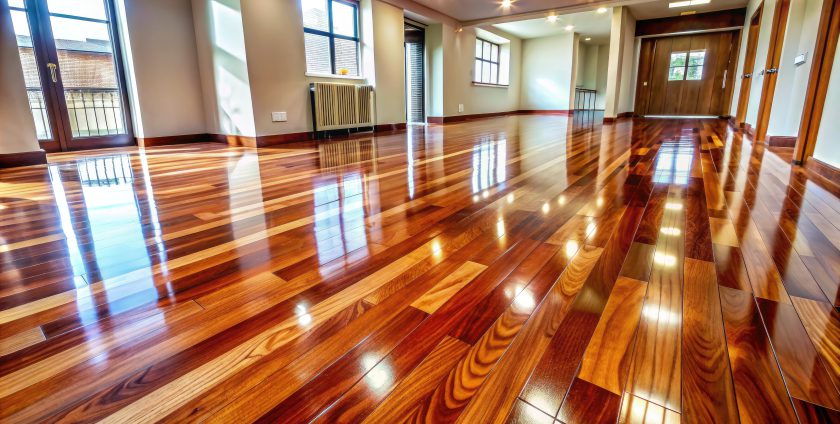
Hardwood Floor Resurfacing vs Refinishing
If your hardwood floors are starting to look worn or damaged, you might be wondering, what’s the difference between hardwood floor resurfacing vs refinishing? Both options can help restore the appearance of your floors, but they serve different purposes and involve different processes. In this guide, we’ll break down the differences between hardwood floor resurfacing vs refinishing, the benefits of each, and when it’s best to choose one over the other.
Hardwood Floor Resurfacing vs Refinishing: The Basics
When it comes to hardwood floor resurfacing vs refinishing, the key difference lies in the level of work and the condition of the floor.
-
Hardwood Floor Resurfacing: This process is typically for floors that have minor damage or wear. Resurfacing involves sanding down the surface to smooth out imperfections and apply a fresh layer of finish.
-
Hardwood Floor Refinishing: Refinishing is a more in-depth process that includes sanding down the entire top layer of the floor to remove scratches, stains, and old finish, followed by the application of a new finish.
While both options can improve the look of your hardwood floors, hardwood floor resurfacing vs refinishing depends on how much work is needed.
Hardwood Floor Resurfacing vs Refinishing: When to Choose Resurfacing
Hardwood floor resurfacing vs refinishing—when is resurfacing the right choice? Resurfacing is ideal for floors with minor surface damage, such as light scuff marks or small scratches. If your hardwood floors are in good structural condition but need a fresh coat of finish, resurfacing is the quickest and most affordable option.
What to Expect:
-
Minimal Damage: If your floors have light wear, no deep scratches, or significant staining, resurfacing is often enough.
-
Shorter Timeframe: Hardwood floor resurfacing vs refinishing in terms of time—resurfacing is faster since it only addresses the surface.
-
Less Expensive: Resurfacing usually costs less than refinishing, making it a more budget-friendly option for restoring the appearance of your floors.
Signs That Resurfacing is Right for You:
-
Light, superficial scratches or scuff marks.
-
Floors with a dull finish but no major structural issues.
-
No significant damage or deep stains.
Hardwood Floor Resurfacing vs Refinishing: When to Choose Refinishing
Hardwood floor resurfacing vs refinishing—refinishing is the better option if your floors are showing more severe damage. Refinishing involves sanding down the entire surface to remove any imperfections, deep stains, and the old finish. It’s the go-to option for floors that have lost their luster and need a more thorough restoration.
What to Expect:
-
Deep Damage: If your floors have deep scratches, stains, or significant wear, refinishing is the best option.
-
Increased Durability: Refinishing not only restores the appearance of your floor but also strengthens the surface for long-term durability.
-
More Time and Cost: Hardwood floor resurfacing vs refinishing—refinishing takes longer and typically costs more due to the additional steps involved, such as sanding down multiple layers and applying new finishes.
Signs That Refinishing is Right for You:
-
Visible deep scratches, dents, or stains.
-
Floors that are extremely worn and no longer shine, even after cleaning.
-
Previous finishes have worn off in high-traffic areas, exposing the wood beneath.
The Process of Hardwood Floor Resurfacing vs Refinishing
Now that we’ve covered when to choose hardwood floor resurfacing vs refinishing, let’s break down the steps involved in each process.
Hardwood Floor Resurfacing Process:
-
Cleaning: Thoroughly clean the floor to remove any dirt, debris, or grime.
-
Sanding: Light sanding is done to smooth out minor imperfections or scuffs on the surface.
-
Staining (Optional): If you want to change the color of your floors, this is the step where you can apply a stain.
-
Applying Finish: A fresh layer of polyurethane or other protective finish is applied to restore the shine and protection of the floor.
Hardwood Floor Refinishing Process:
-
Cleaning: As with resurfacing, the floor is cleaned to remove dirt and debris.
-
Sanding: The entire top layer of the floor is sanded down to remove the old finish, stains, and scratches.
-
Repairs: Any structural issues, like gaps or damaged boards, are repaired during this stage.
-
Staining (Optional): A stain can be applied if you want a different color or tone for your floors.
-
Applying Finish: A fresh, protective finish is applied in multiple coats for long-lasting protection and shine.
Hardwood Floor Resurfacing vs Refinishing: Cost Comparison
The cost of hardwood floor resurfacing vs refinishing depends on several factors, including the size of the floor, the level of damage, and whether you hire a professional. On average, resurfacing is less expensive than refinishing, but if your floors are more damaged, refinishing may be necessary.
What to Expect:
-
Resurfacing: Generally costs between $1 to $3 per square foot.
-
Refinishing: Costs typically range from $2 to $5 per square foot, depending on the extent of the damage and the finish used.
Additional Costs:
-
If you need to repair structural damage or replace boards, both resurfacing and refinishing may require additional expenses.
-
Professional labor for refinishing is usually more costly than resurfacing.
Hardwood Floor Resurfacing vs Refinishing: Final Thoughts
In conclusion, the decision between hardwood floor resurfacing vs refinishing largely depends on the condition of your floors. If your floors have minimal surface damage and are generally in good shape, resurfacing is a quick and cost-effective solution. However, if your floors are significantly worn, scratched, or stained, refinishing is the better choice for a thorough restoration that strengthens the wood and adds years to the life of your floors.
By evaluating the extent of the damage and your budget, you can choose the best solution for your hardwood floors. Whether you opt for resurfacing or refinishing, both methods can help restore the beauty and durability of your floors, keeping your home looking fresh and well-maintained.
- By: admin
- Category: Uncategorized
- 0 comment